

Finding the right baler machine for sale can be a challenging task, especially for overseas buyers in recycling or industrial sectors. A baler is not a one-size-fits-all product; selecting the right one demands a thorough assessment of materials, production needs, and supplier reliability.
You can find a baler machine for sale by identifying your specific requirements—material type, processing capacity, bale specifications, and site conditions—to guide your search, then sourcing from proven manufacturers who offer customization, reliable delivery, and post-sales support.
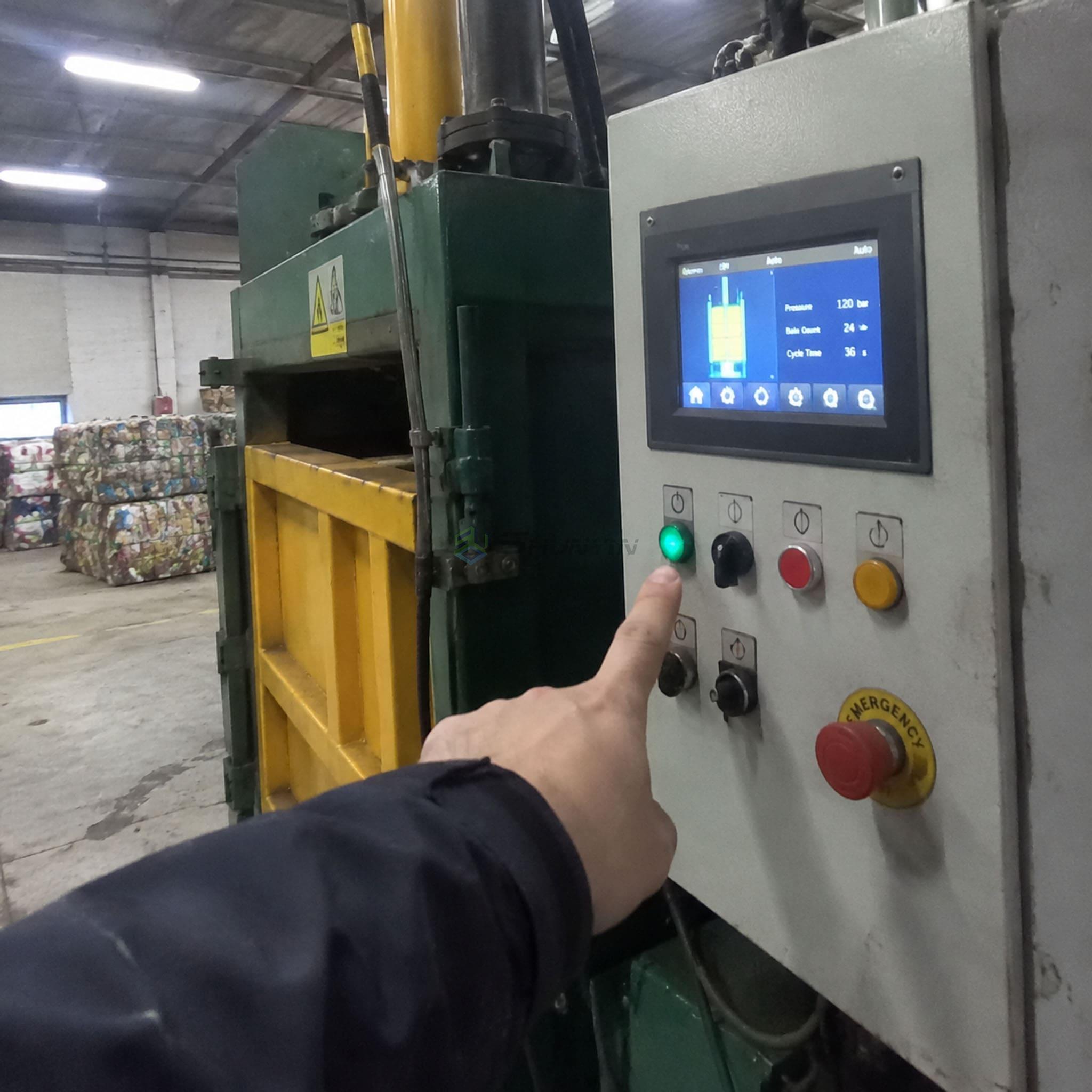
Let me walk you through how to approach this decision systematically and avoid costly mistakes.
What should you consider before searching for a baler?
Making the wrong choice can lead to operational inefficiencies, wasted investments, or prolonged downtime.1 Buyers must begin their search by defining key specifications and operational needs.2
The first step is understanding the material you want to process and your operational requirements—such as throughput, bale size and weight, site constraints, labor availability, and lifecycle costs.
Dive Deeper: Core specifications to define
Many buyers make the mistake of focusing solely on metrics like compression force or machine price. While these are important, it’s critical to map out the following:
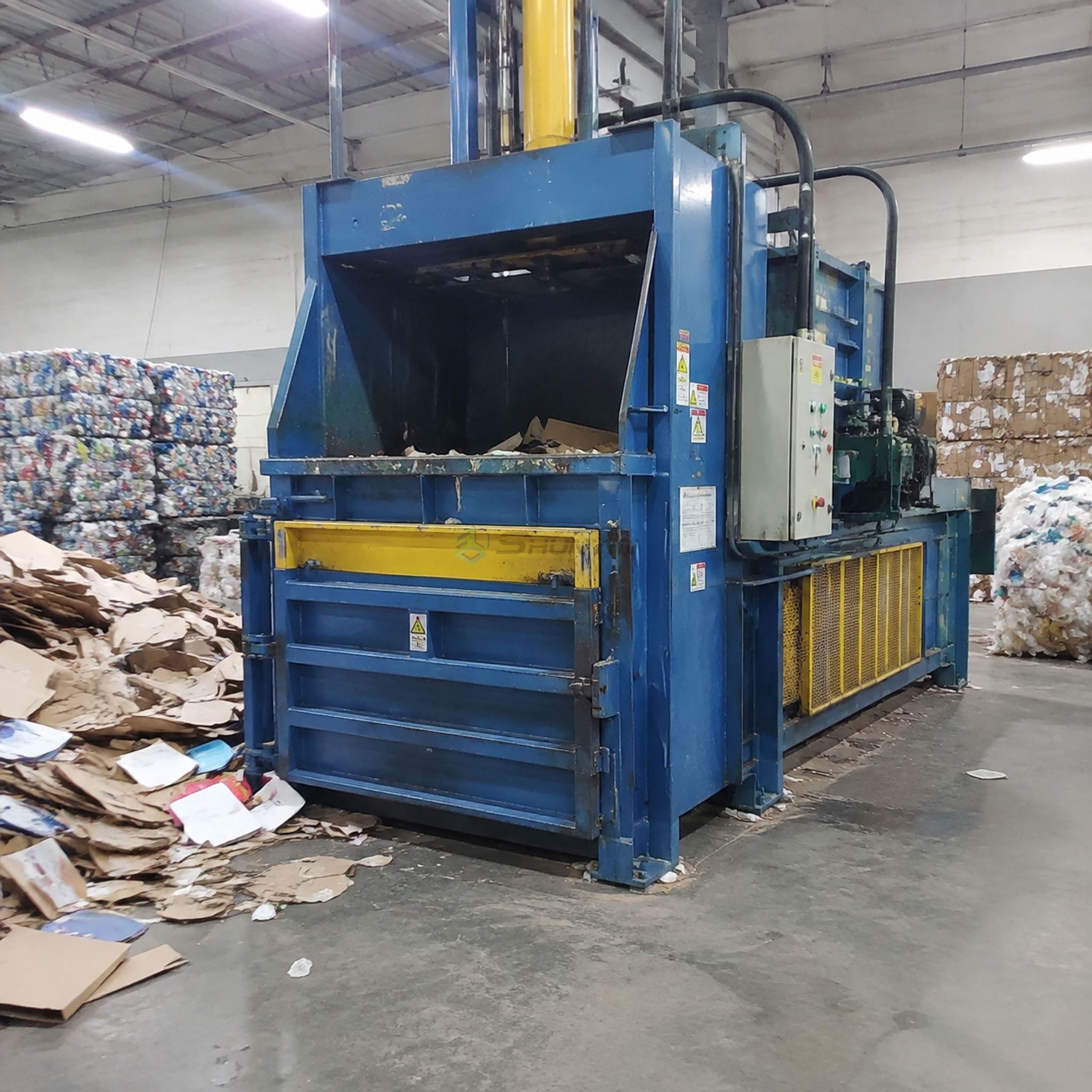
- Material type: Is the machine intended for cardboard, scrap metal, plastic film, textiles, or mixed materials? Different materials often require different baling mechanisms, such as horizontal or vertical balers.
- Condition of material: Clean, loose materials may need less force than dense or tangled ones. Wet or contaminated materials may pose challenges for feeding or compression systems.
- Processing capacity: Calculate the hourly or daily throughput required by your operation. Balers vary significantly in capacity, from small units for occasional use to industrial machines handling tons per hour.
- Bale specifications: Define your target bale dimensions, weight, and density. Warehousing, transportation, and resale often depend on these factors.
- Site conditions: Available space, ceiling height, and electrical infrastructure impact machine selection. High-capacity balers often require three-phase power or dedicated installation areas.
- Automation level: Semi-automatic versus fully automated machines depend on labor availability and budget.
- Budget and lifecycle costs: Beyond purchase price, factor in maintenance, energy consumption, transport savings, spare parts, and downtime effects.3
A 2021 inquiry from a Thai distributor illustrates this. They initially requested a high-force baler but hadn't assessed their material density or site limitations. After explaining these factors, we recommended an alternative configuration, avoiding probable installation issues.
Where can you source reliable baler machines?
The quality of your machine and your success post-purchase depend heavily on supplier capabilities. Don’t limit your search to generic listings or the “lowest price.”
Source baler machines through verified suppliers who demonstrate capacity to deliver customized machinery, robust export processes, and sustained post-sales support, rather than relying solely on public directories.
Dive Deeper: What makes a supplier trustworthy?
To find a reliable supplier, focus on their ability to meet both machine specifications and operational support needs:
- Clear configuration proposals: Good suppliers will tailor recommendations to your material and output needs rather than selling standard “one-size-fits-all” models.4
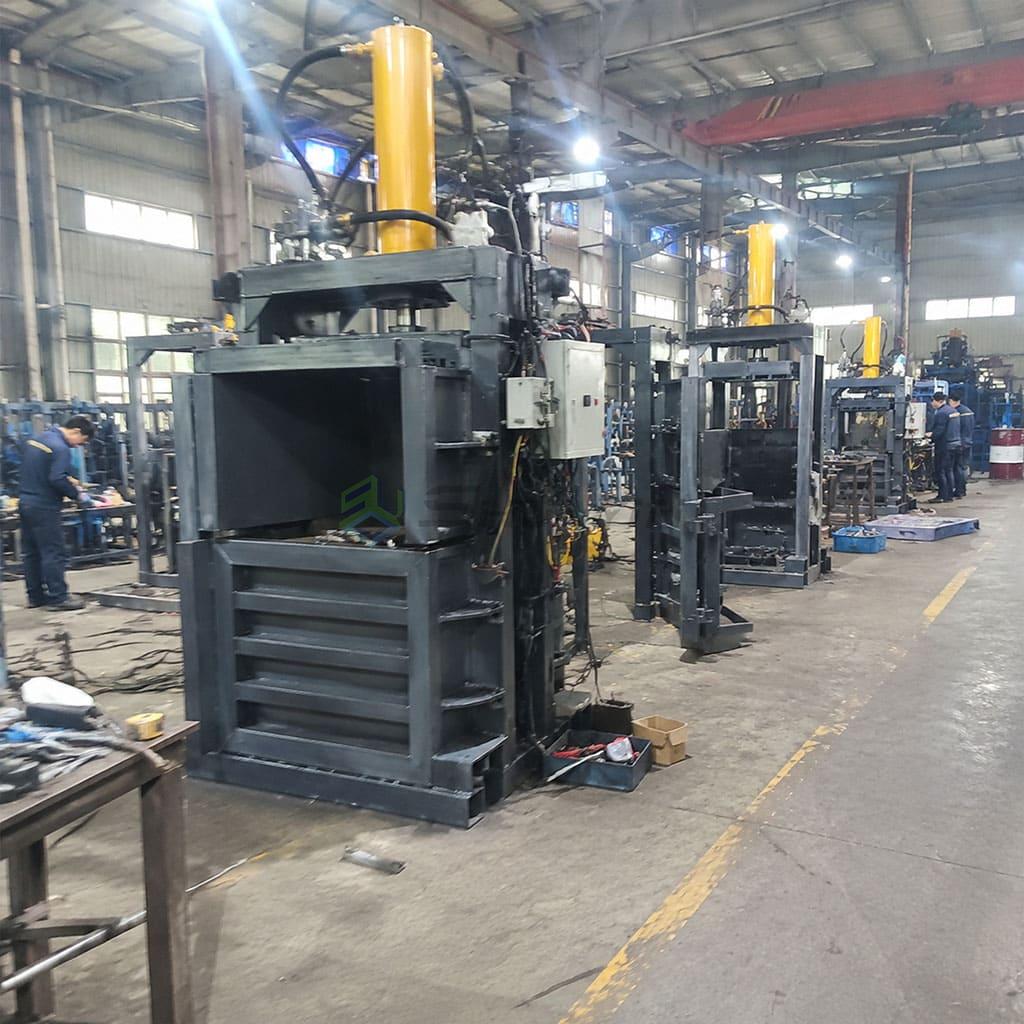
- Evidence of quality manufacturing: Look for certifications, client case studies, and machinery photos/videos. Visit production facilities if possible, or check for third-party inspections.
- Delivery reliability: Ask whether they have experience with international export packing, freight logistics, and customs clearance.
- Warranty terms and spare parts availability: Confirm what is covered and whether spare parts are available globally or locally.
- Support after installation: Does the supplier provide training, troubleshooting assistance, and quick-response technical help?
In the Thai distributor’s case, we clarified the packing process for shipping, demonstrated export-ready designs through videos, and walked them through available spare parts before confirming the sale. Educational support proved critical to overcoming local labor challenges.
What types of balers work best for specific materials?
Matching the baler type to your material is a cornerstone of an efficient operation.5 Each material demands unique features that influence machine design and performance.
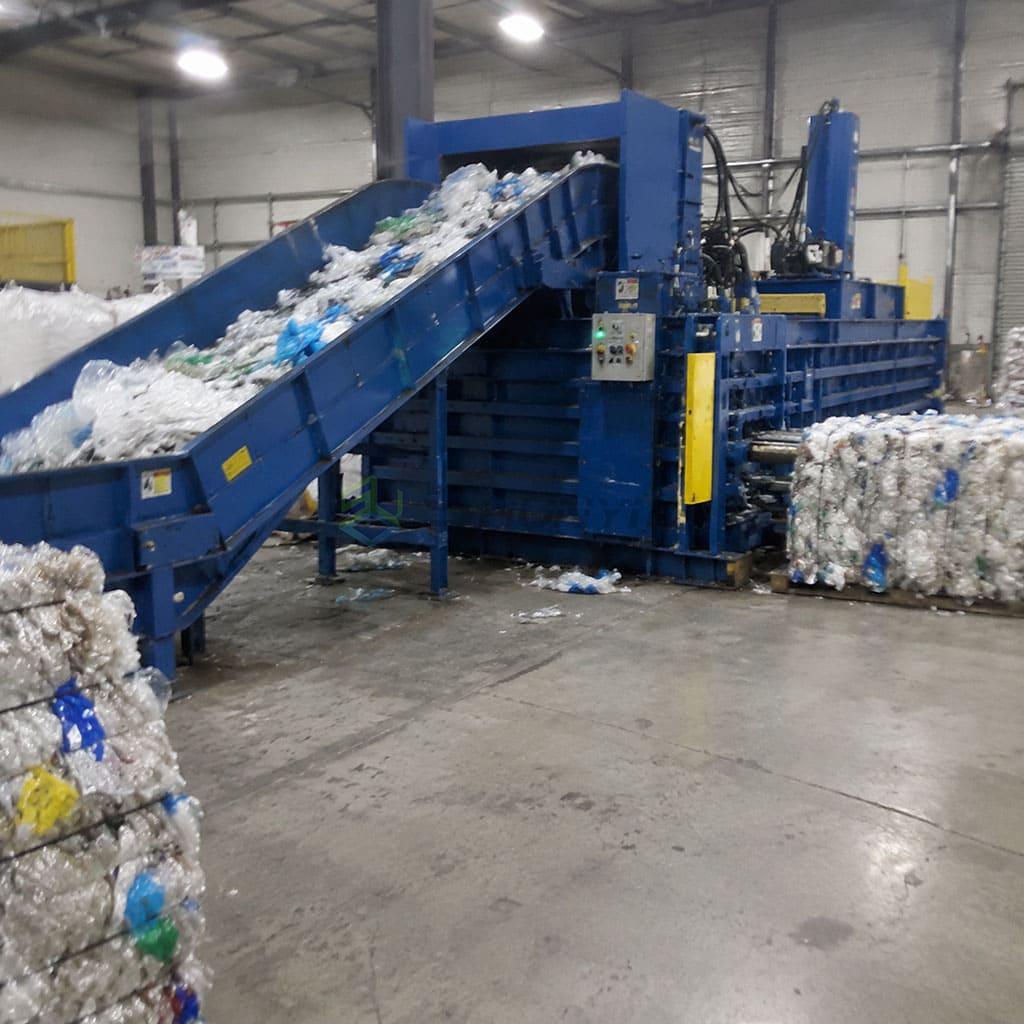
Cardboard balers, plastic film balers, PET bottle balers, textile balers, and scrap metal balers differ in feed mechanisms, compression methods, and outputs. Always match the machine type to your material and density requirements.
Dive Deeper: Comparing material-specific balers
Here’s a quick comparison:
| Material Type | Recommended Baler Type | Key Features |
|---|---|---|
| Cardboard/OCC | Vertical balers | Simple operations, compact footprint, moderate force |
| Plastic film | Horizontal balers | Continuous feed system, higher bale density |
| PET bottles | Horizontal balers | Pre-crushing capability, optimized feeding |
| Textiles | Custom-designed balers | Dense compression, additional safety for loose fibers |
| Scrap metal | Hydraulic balers | High compression force for dense metals |
Be mindful that industries like paper mills, warehouses, and scrap yards might opt for dual-function balers to handle multiple materials efficiently.
Frequently Asked Questions
Should I buy locally or import a baler?
Buy local if you require quick service support or face import restrictions. Import if overseas suppliers offer better customization and technical solutions specific to your industry.
How can I verify a supplier’s capability?
Visit their factory (physically or virtually), review case studies, customer testimonials, and certifications. Check their history of international deliveries and spare parts service.
Does bale density affect transportation savings?
Yes. Higher bale density reduces transport costs by fitting more material per load, though higher-density machines may involve larger upfront costs.
What is the lead time for custom balers?
Lead times vary based on configuration complexity.6 Industrial customizations can take 8–12 weeks, including manufacturing and packing.
What post-sale support should I expect?
Expect installation guidance, operator training, troubleshooting assistance, warranty service, and spare parts availability.7
Conclusion
Finding the best baler machine for sale isn’t about chasing the lowest price or easiest listing. It’s about matching your material, throughput, and site specifics with a reliable supplier who can deliver and support the machine long-term. Reliable sourcing starts with defining your needs and asking the right questions.
Evaluate your options carefully and let us help guide you if you're considering industrial balers for recycling. Contact us today to discuss your requirements and explore solutions.
"Baler and Compactor-Related Deaths in the Workplace", https://www.cdc.gov/mmwr/preview/mmwrhtml/mm5016a2.htm. A study on industrial equipment mismatches highlights that improper selection of machinery can lead to significant operational delays and increased costs due to inefficiencies and maintenance issues. Evidence role: case_reference; source type: research. Supports: The source should provide examples or studies showing how incorrect baler machine selection has led to inefficiencies or downtime.. Scope note: The study may focus on general industrial equipment rather than baler machines specifically. ↩
"How to Write Purchase Specifications", https://procurement.ofa.ncsu.edu/how-to-write-equipment-specifications/. Experts in industrial machinery emphasize that identifying operational requirements and specifications is crucial to ensure compatibility and efficiency in equipment selection. Evidence role: expert_consensus; source type: education. Supports: The source should explain why defining operational needs and specifications is essential in selecting industrial equipment.. ↩
"A systematic review of plastic recycling: technology ... - PMC", https://pmc.ncbi.nlm.nih.gov/articles/PMC12301532/. Research on industrial equipment lifecycle costs highlights that maintenance, energy consumption, and downtime significantly impact the total cost of ownership, often exceeding initial purchase costs. Evidence role: general_support; source type: research. Supports: The source should discuss the significance of lifecycle costs, including maintenance and energy consumption, in industrial equipment selection.. ↩
"Tailored Healthcare: Two Perspectives on the Development ...", https://pmc.ncbi.nlm.nih.gov/articles/PMC6133138/. Case studies in industrial equipment procurement show that customized machinery configurations significantly enhance efficiency and reduce operational mismatches. Evidence role: case_reference; source type: research. Supports: The source should provide examples of how tailored machinery recommendations have improved operational efficiency.. ↩
"Baler", https://en.wikipedia.org/wiki/Baler. Educational materials on recycling machinery highlight that material-specific baler selection optimizes compression and throughput, reducing inefficiencies. Evidence role: mechanism; source type: education. Supports: The source should explain how matching baler type to material improves operational efficiency.. ↩
"Why Focusing on Lead Time, Not Just Efficiency and Cost ...", https://interpro.wisc.edu/lead-time-drives-manufacturing-success/. Industry reports on machinery manufacturing indicate that lead times for custom configurations range from 8 to 12 weeks, depending on design complexity and production capacity. Evidence role: statistic; source type: research. Supports: The source should provide data on lead times for custom baler configurations based on complexity.. ↩
"Machine Safeguarding Requirements - UNC Policies", https://policies.unc.edu/TDClient/2833/Portal/KB/Article/131999/Industrial-Maintenance-and-Construction-Support-Services-Safety-Manual-Machine-Safeguarding-Requirem. Educational resources on industrial equipment emphasize that post-sale support, including training and warranty services, is critical for minimizing downtime and ensuring operational success. Evidence role: general_support; source type: education. Supports: The source should explain the importance of post-sale support services in ensuring successful machinery operation.. ↩