

What is the difference between a baler and a compactor?
Are you evaluating machinery for recycling or waste management but feeling unsure about the difference between a baler and a compactor? This confusion is common since the terms aren’t globally standardized—they’re often used interchangeably1. However, what truly matters is the task these machines perform: creating transportable bales or simply compacting material to reduce waste volume.
A baler compresses recyclable materials into tied, transportable bales that are suited for handling, storage, or sale, whereas a compactor reduces waste into compacted material, often inside a container designed for disposal. Understanding what you need based on your material type and desired output is the key to making an accurate choice.
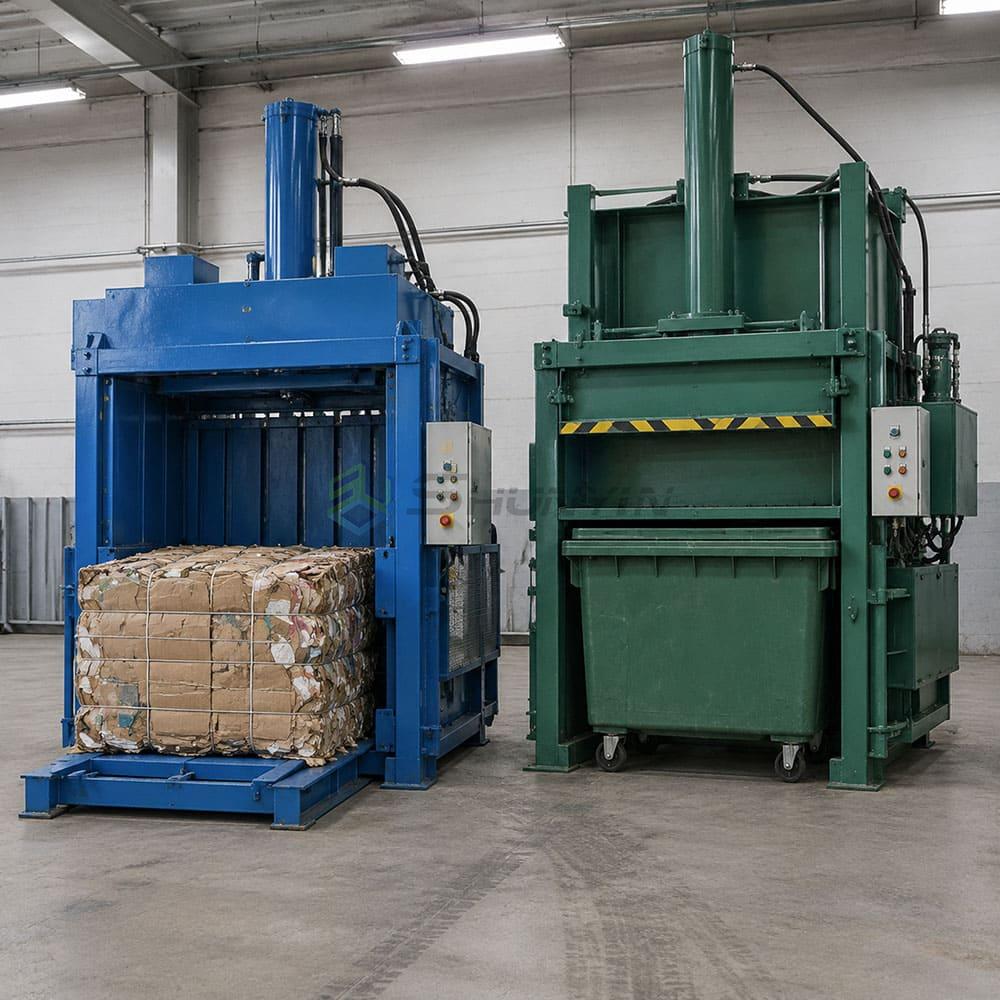
If you’re unclear about which machine fits your requirements, let’s dive deeper into their differences, real-world examples, and a quick test to help guide your procurement decision.
What does a baler do?
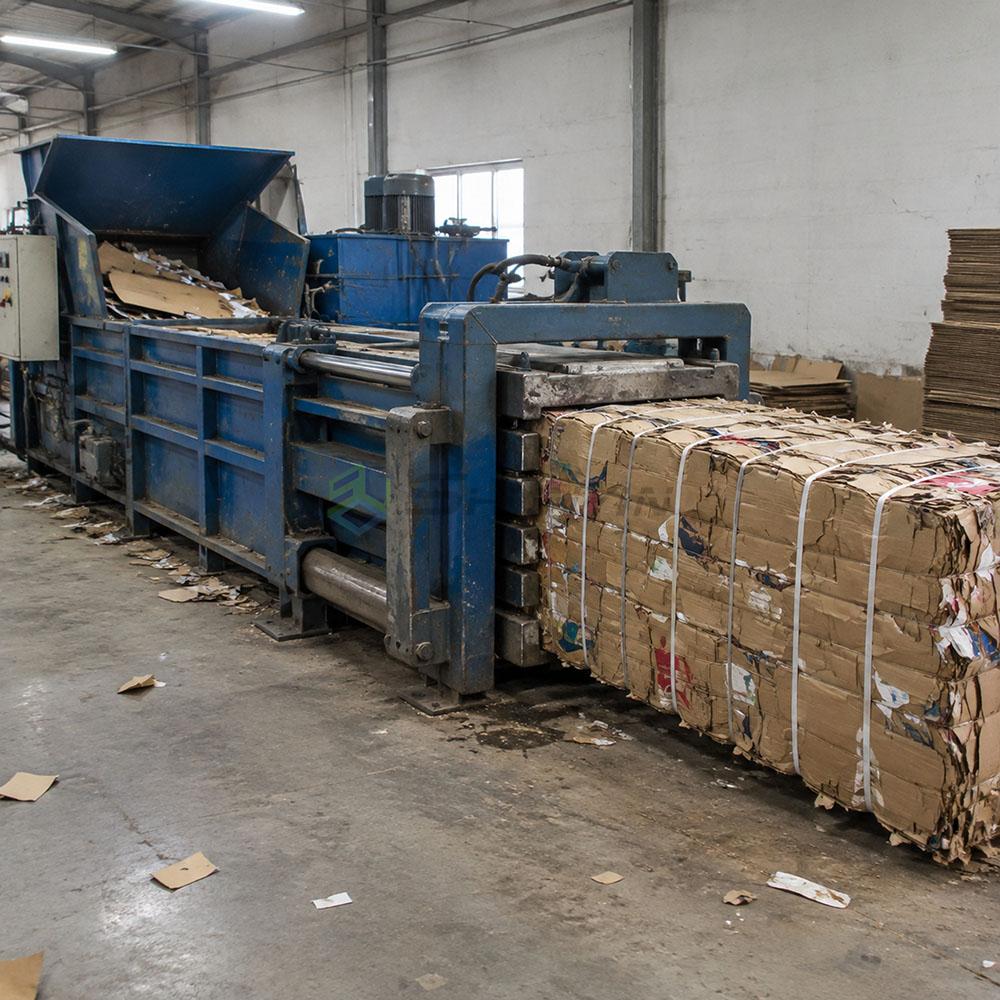
Balers compress recyclable materials—like cardboard, plastics, and metal—into high-density bales that are tied to maintain their shape for transportation and downstream recycling.
Balers are essential for businesses that generate recyclable waste and need compact, stackable, and marketable bales. These bales facilitate efficient storage and transport, whether to recycling facilities or buyers.
Key Features of Balers:
Balers are designed to form discrete rectangular or cylindrical bales. These bales are:
- Tightly compressed with reliable density for secure handling.
- Tied or strapped to maintain integrity.
- Ideal for storage, stacking, or resale.
| Balers come in various sizes and capacity ranges to suit different industries and materials2: | Type of Baler | Ideal Application |
|---|---|---|
| Vertical Balers | Small to medium-scale waste generators | |
| Horizontal Balers | High-volume facilities (warehouses, factories) | |
| Specialty Balers | Fibrous/textile materials, scrap metals, etc. |
Example Scenario:
A cardboard factory generating high volumes of OCC (old corrugated containers) might invest in a horizontal baler3 to create dense bales for resale to paper mills. These bales have consistent dimensions and can be stacked in trailers for transport.
What does a compactor do?
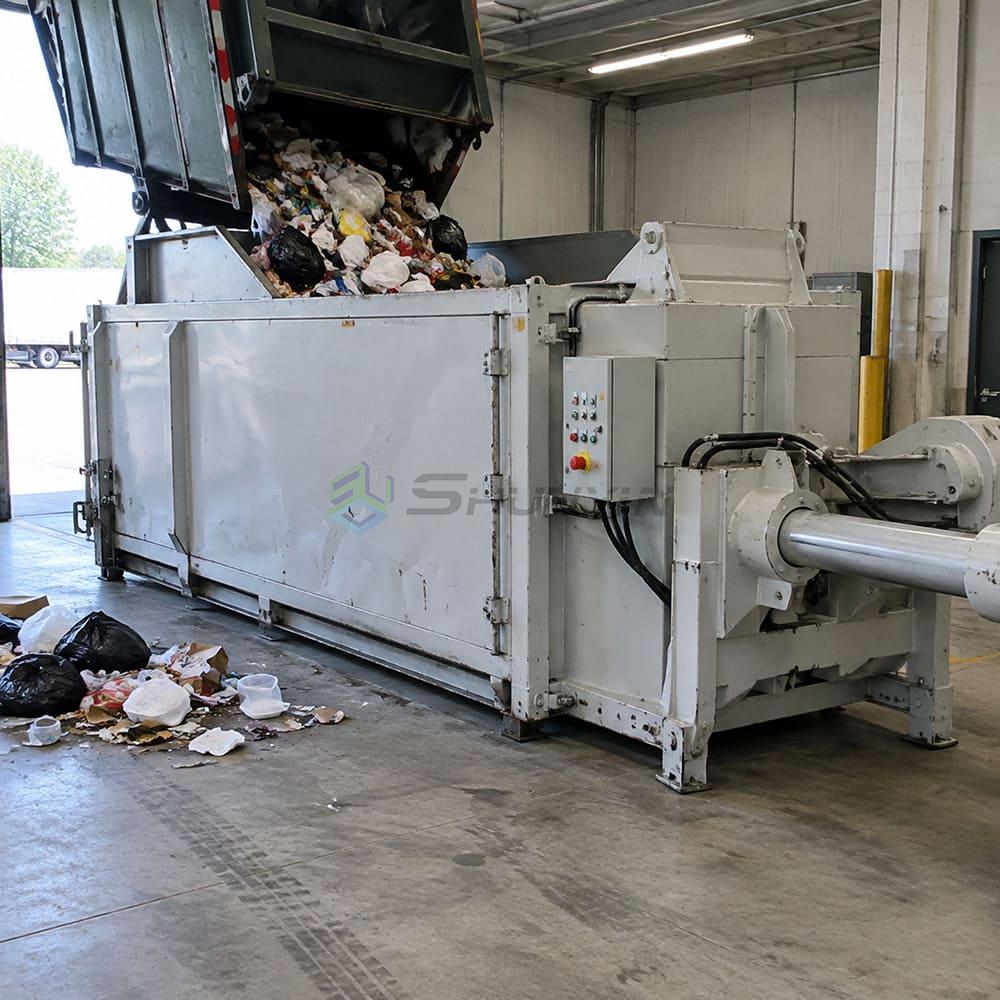
A compactor is primarily a waste-volume reducer that compacts disposable material—often directly into bins or containers for disposal. Compactors are widely used by businesses handling mixed waste types such as retail chains, malls, and food-service establishments.
Key Features of Compactors:
Unlike balers, compactors don’t produce transportable, tied bales. Instead, they:
- Compress waste into containers for easier disposal.
- Typically handle general solid waste or mixed types unsuitable for recycling.
- Focus on minimizing volume rather than creating marketable output.
Compactors are commonly found in settings like:
- Supermarkets handling food waste and packaging scraps.
- Restaurants managing wet or non-recyclable garbage.
- Warehouses dealing with bulk waste before transport to landfills.
Example Scenario:
A grocery store chain might install a compactor to reduce daily food waste volume4 and minimize the number of waste pickups. The compacted material goes directly into disposal bins, making it easier to manage.
What are the key differences between balers and compactors?
To help you understand the difference quickly, here’s a comparison table:
| Feature | Balers | Compactors |
|---|---|---|
| Output | Dense tied bales | Compressed waste in disposable bins |
| Material Handled | Recyclables (e.g., paper, plastics, metal) | General/mixed waste |
| Purpose | Storage, transport, recycling resale | Volume reduction for disposal |
| Applications | Recycling facilities, factories, warehouses | Retail stores, restaurants, hospitals |
How do I choose between a baler and a compactor?
Start with these four questions:
-
What material do you need to process?
Is it recyclable (e.g., cardboard, plastics, metals) or mixed waste? -
What is your desired output?
Should the material be tied into discrete bales or simply compacted into a container? -
What is your daily processing capacity?
Do you handle high-volume waste requiring automation, or is it small batch? -
What happens after compression?
Will the material be stored, sold, or directly disposed of?
Real-World Application:
- A material recovery facility (MRF) would likely select a baler to produce high-density bales of recyclable goods, ready for transport to buyers.
- A shopping mall generating mixed waste might opt for a compactor to minimize landfill-bound volume without segregating recyclable materials.
Frequently Asked Questions
Is a baler or compactor more cost-effective?
The answer depends on your material type and processing demands. Balers can reduce long-term transport and labor costs for recyclables, while compactors save space and disposal fees for mixed waste.
Can I use a baler to compact mixed waste?
No. Balers are designed for recyclables. Mixed waste with wet or non-recyclable materials is better suited for compactors.
Are balers and compactors interchangeable?
Not exactly. While their function overlaps in reducing waste volume, their outputs are very different. Verify machinery specifications and outputs before purchasing.
Conclusion
While balers create tied bales for efficient recycling workflows, compactors focus on reducing volume for easier disposal. The choice between these machines hinges on your material type and the required output—bales for downstream handling or compressed waste for disposal.
If you’re unsure which machine fits your needs, start by identifying your material, processing capacity, and post-compression workflow. Reach out to discuss how we can help you select the right recycling equipment to optimize your operations.
"the Environmentally Sound Management (ESM) of Waste 8", https://legalinstruments.oecd.org/public/doc/51/51.en.pdf. An industry report or guideline from a waste management institution could confirm the lack of global standardization for these terms. Evidence role: general_support; source type: institution. Supports: The interchangeable use and lack of standardization of the terms 'baler' and 'compactor'.. Scope note: Terminology may vary by region or industry sector. ↩
"Purchasing Hay Equipment: Balers - Ohioline", https://ohioline.osu.edu/factsheet/anr-0223. An educational resource or manufacturer guide could confirm the range of baler sizes and capacities. Evidence role: general_support; source type: education. Supports: The availability of balers in different sizes and capacities for various industries.. Scope note: Specific sizes and capacities may depend on the manufacturer. ↩
"Managing and Reducing Wastes: A Guide for Commercial ...", https://www.epa.gov/smm/managing-and-reducing-wastes-guide-commercial-buildings. A case study or industry report on cardboard recycling could validate this claim. Evidence role: case_reference; source type: research. Supports: The use of horizontal balers in cardboard factories for OCC recycling.. Scope note: Specific practices may vary by factory size and location. ↩
"Simple display changes in grocery stores could cut food waste ...", https://news.ufl.edu/2025/01/grocery-store-food-waste-profit/. A case study or industry report on grocery store waste practices could validate this claim. Evidence role: case_reference; source type: research. Supports: The use of compactors in grocery stores for food waste management.. Scope note: Specific practices may vary by store size and location. ↩