

Selecting the right baler for your recycling or waste management needs can be complex, especially given the wide range of baler classifications. The different types of balers are categorized by structure, material, automation, and operating method—each influencing performance for specific applications.1 Understanding these dimensions is key to choosing the ideal machine for your operation.
Balers can be classified across multiple dimensions—vertical or horizontal structures, specific material compatibility (cardboard, plastic, metal, etc.), hydraulic or pneumatic drive systems, and automation levels (manual, semi-automatic, fully automatic). Choosing the right baler requires matching the machine’s design and capabilities to the material being processed, bale specifications, throughput, and handling requirements.
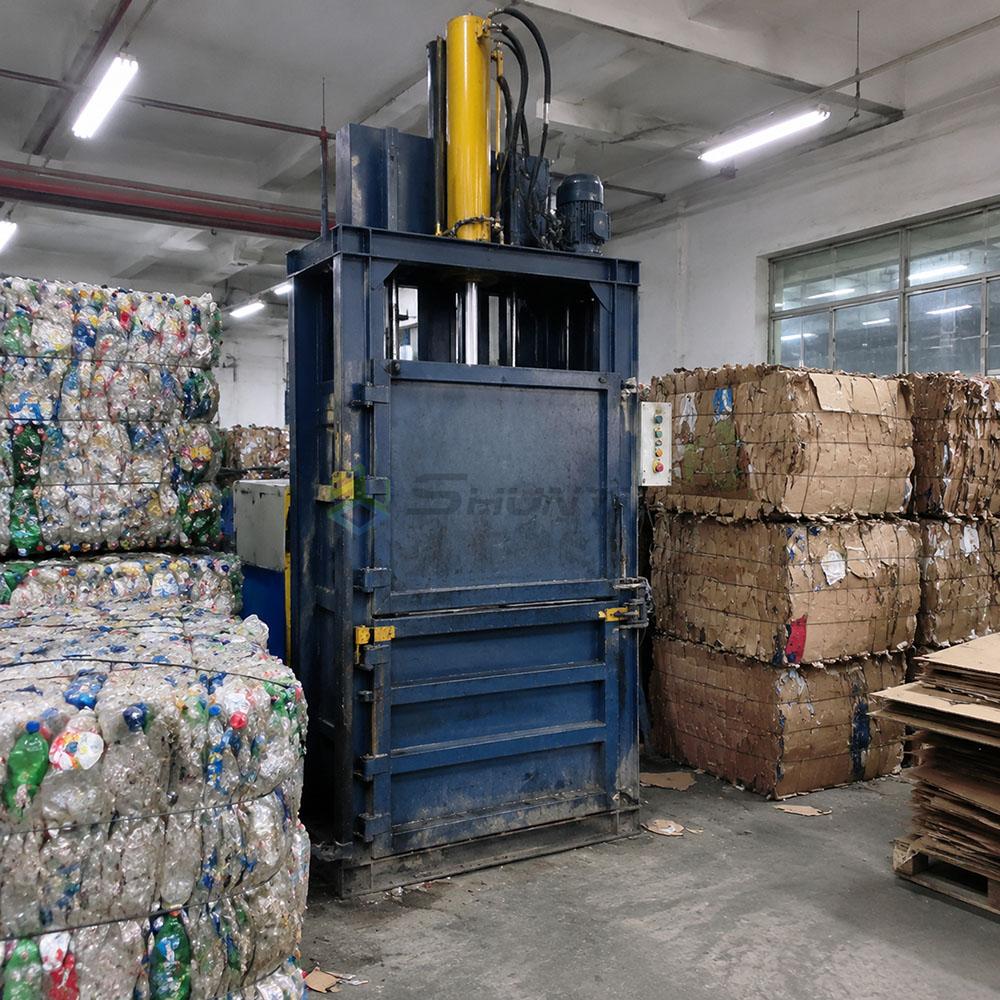
Balers are not one-size-fits-all solutions. To avoid purchasing mistakes, it’s important to go beyond common machine names and focus on matching equipment to your operational needs. Let’s explore each classification in detail to help you make an informed decision.
What is the difference between vertical and horizontal balers?
When you hear "vertical" versus "horizontal," you're learning about a baler’s structural layout and feeding method. These terms often define how the material is loaded and processed.
Vertical balers are compact machines that process waste in a top-down orientation. Horizontal balers are designed for higher-volume applications, using side-to-side orientation for continuous loading and larger bales.
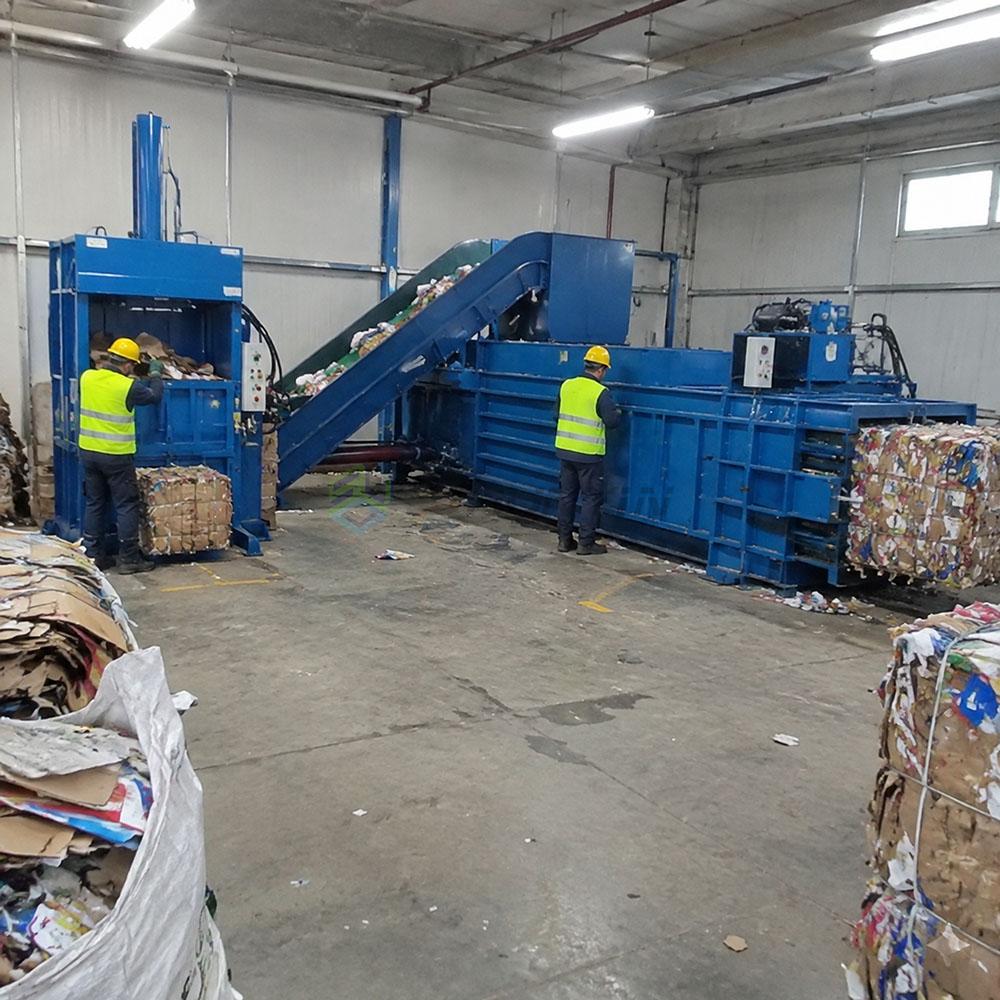
Vertical balers:
- Space-saving design (ideal for smaller facilities).
- Manual loading from the top and compacting downwards.
- Suitable for low-to-medium volumes and lighter materials like cardboard, plastics, and textiles.
Horizontal balers:
- Larger footprint but higher processing capacity.
- Can be equipped with automatic feeding systems like conveyors.
- Preferred for bulk materials and operations handling continuous volumes.
In my experience with manufacturing plants, smaller warehouses favor vertical balers due to space constraints and low waste volumes. However, any operation with significant weekly output tends to shift toward horizontal balers for their speed and efficiency.
How should balers be chosen based on material type?
Choosing balers based on material type ensures optimal compression and bale quality while avoiding equipment damage. Different materials require tailored press force and machine design.
Material-friendly balers include cardboard balers for light compression tasks, plastic balers for flexible but dense compression, textile balers for reshaping fabric waste, and metal balers for heavy scrap compacting.2
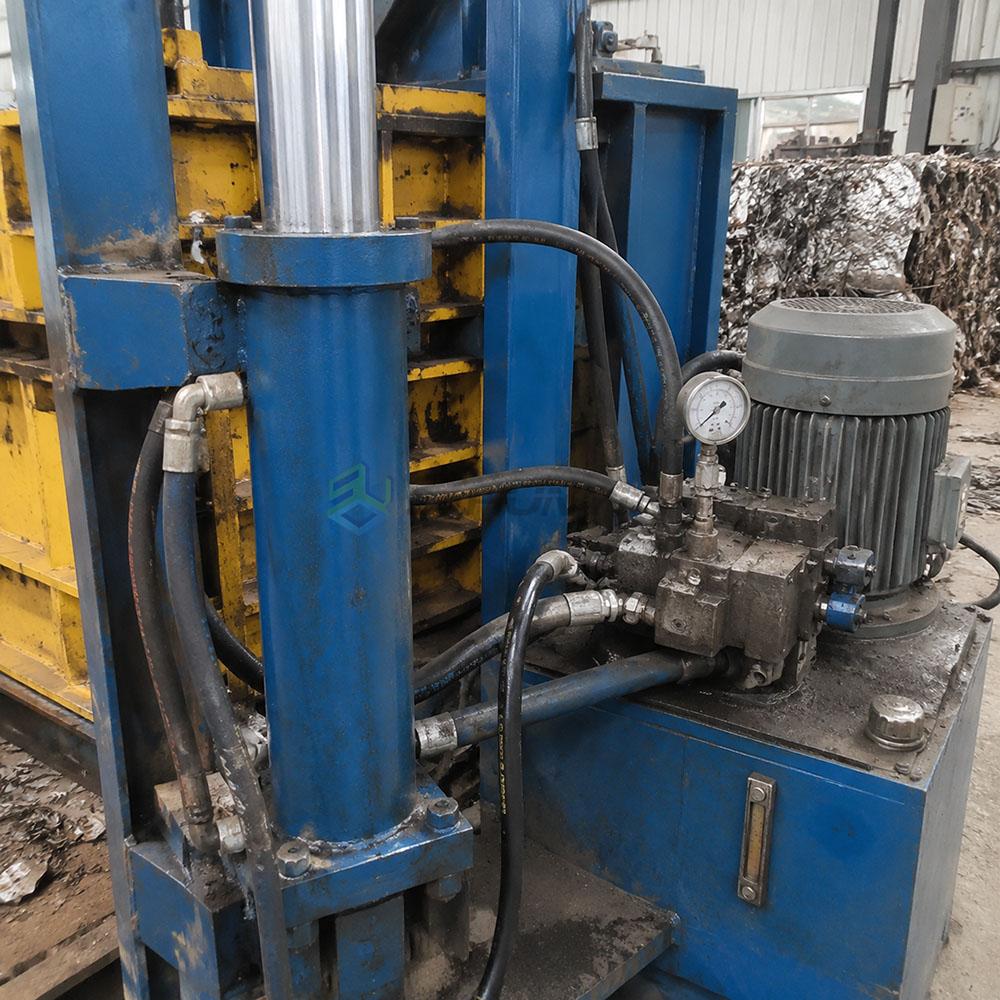
Key considerations by material:
- Cardboard and paper balers: Lower press force (up to 50 tons) and simple automation.
- Plastic film and PET balers: Dense compression to handle flexible but heavy materials.
- Metal balers: Strong structural integrity and press forces exceeding 100 tons.
- Mixed-waste balers: Adaptability for processing diverse recyclable or landfill-bound waste.
Buyers often start with a general-purpose baler but later realize that material-specific designs deliver both higher bale quality and better cost efficiency.3 For instance, a paper factory I worked with initially chose a small horizontal baler for mixed recycling but later added a dedicated cardboard baler due to frequent material jams.
What role does automation play in baler selection?
Automation determines labor requirements and machine throughput. Higher automation levels reduce manual work and speed up processes but often come with higher acquisition costs.
Manual, semi-automatic, and fully automatic balers offer varying levels of operational autonomy. Fully automated systems excel in high-volume operations, while manual and semi-automatic models suit smaller budgets or lower production scales.
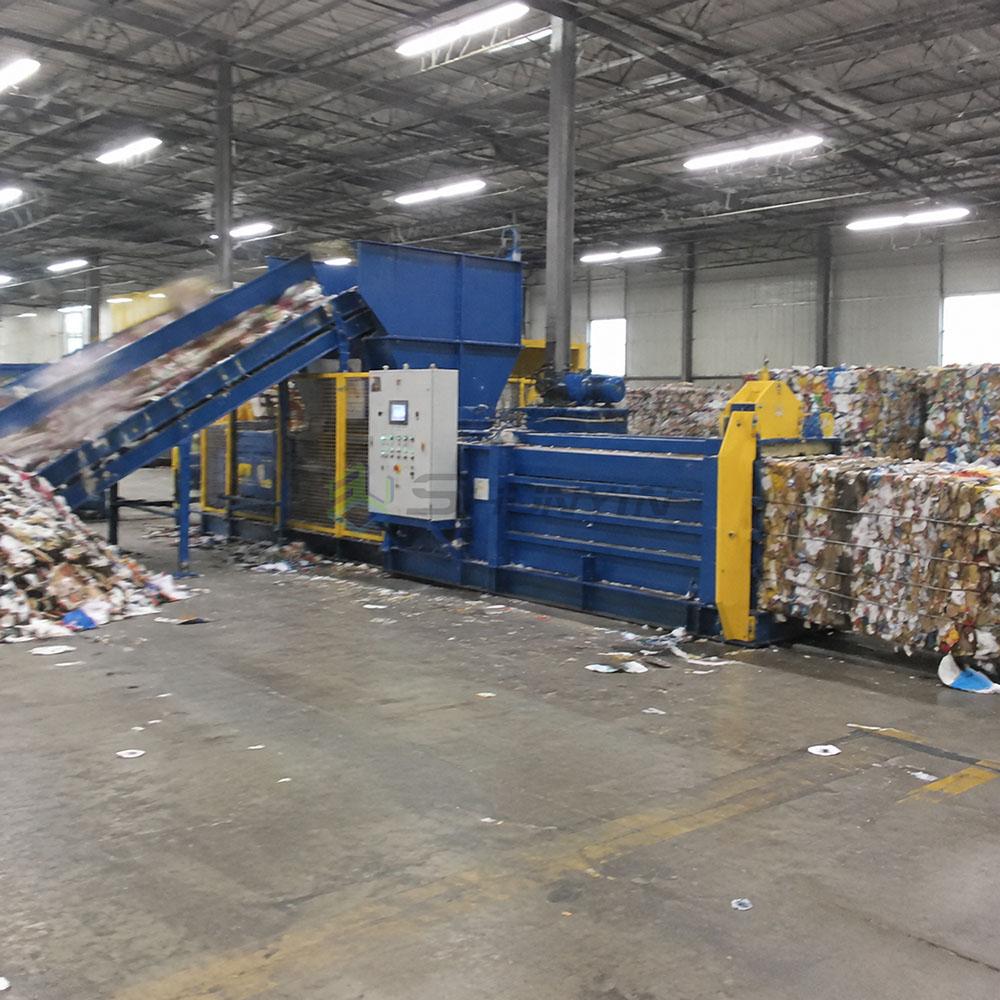
Comparing automation levels:
| Type | Labor Requirements | Best Application |
|---|---|---|
| Manual Balers | High (loading, tie-off, unloading) | Small-scale recycling, occasional use |
| Semi-Automatic Balers | Moderate (manual loading, automatic tying) | Small-to-medium facilities, flexible throughput |
| Fully Automatic Balers | Minimal | Large-scale operations, continuous processing |
While automation saves time, it’s not always necessary for smaller operations. For example, one distributor considering fully automatic balers later opted for semi-automatic models because their clients preferred hands-on control over smaller waste streams.
What can we learn from the Saudi scrap metal baler case study?
The case study of our Saudi customer highlights a critical point: selecting a machine structure must align with the bale size, throughput, and material handling requirements—not a familiar machine name or layout.
The customer initially planned to purchase a vertical hydraulic baler for lightweight scrap metal. While vertical models are generally more affordable, achieving the required bale density and weight within their constraints resulted in higher costs and inefficient results. After clarifying operational needs, the customer chose a metal baler that specialized in handling heavy materials, producing optimal bulk blocks with lower long-term operating costs.
Why did this matter?
Oversized equipment in the wrong design category could mean wasted capital investment without solving the actual recycling problem.4 In this case:
- A “purpose-built” metal baler delivered nearly 40% higher bale density.
- The custom solution increased storage efficiency and reduced transport weight per trip.
This example is common across industries and underscores the importance of asking the right questions before purchasing.
Frequently Asked Questions
Should I always prioritize a high-capacity baler?
No. High capacity isn’t always necessary if your material volume or bale density doesn’t require it.5 Oversizing can increase costs and waste energy. Start with your material and throughput requirements to determine appropriate capacity.
Can one baler handle multiple types of waste?
Some balers handle mixed waste, but performance varies. For example, a cardboard baler may struggle with metal scrap. While flexible designs exist, material-specific balers often deliver better results.
What certifications should I look for when purchasing a baler?
Check for manufacturing quality certifications (e.g., ISO), CE compliance for safety, and documentation confirming machine reliability.6 Always verify these with the supplier before purchase.
Conclusion
Choosing the right baler requires understanding the different types and how they match key operating factors. Balers are classified by structure, material, automation, and operating method—but selecting a machine ultimately depends on your processing needs, type of recyclable material, bale specifications, and handling tasks.7 Avoid the common pitfalls of incorrect sizing or assumptions based solely on machine names.
Ready to find the ideal baler for your operation? Contact us today for expert advice and customized equipment solutions.
"Baler", https://en.wikipedia.org/wiki/Baler. According to industry references, balers are classified based on structural design, material compatibility, automation levels, and operating methods, which directly impact their efficiency and suitability for specific recycling tasks. Evidence role: general_support; source type: encyclopedia. Supports: Balers are categorized by structure, material, automation, and operating method, and these factors influence their performance for specific applications.. ↩
"Baler", https://en.wikipedia.org/wiki/Baler. Institutional guidelines on recycling equipment confirm that balers are often specialized for specific materials, with designs optimized for compression and handling requirements. Evidence role: general_support; source type: institution. Supports: Material-friendly balers are designed for specific materials, such as cardboard, plastic, textiles, and metal, with tailored compression mechanisms.. ↩
"The Field Baler: Operation and Costs - Open PRAIRIE", https://openprairie.sdstate.edu/cgi/viewcontent.cgi?article=1083&context=agexperimentsta_circ. Research consensus suggests that material-specific balers improve bale quality and operational efficiency by tailoring compression mechanisms to the material type. Evidence role: expert_consensus; source type: research. Supports: Material-specific baler designs deliver higher bale quality and better cost efficiency compared to general-purpose balers.. ↩
"Durable Goods: Product-Specific Data", https://www.epa.gov/facts-and-figures-about-materials-waste-and-recycling/durable-goods-product-specific-data. Case studies in recycling operations highlight that mismatched equipment sizing often results in inefficiencies and increased operational costs. Evidence role: case_reference; source type: research. Supports: Oversized equipment in the wrong design category can lead to wasted capital investment and inefficiency in recycling operations.. ↩
"G88-874 Management Tips for Round Bale Hay Harvesting ...", https://digitalcommons.unl.edu/cgi/viewcontent.cgi?article=2306&context=extensionhist. Educational resources on recycling equipment suggest that smaller operations with low material volumes often benefit from compact or mid-capacity balers. Evidence role: general_support; source type: education. Supports: High-capacity balers are not always necessary if material volume or bale density requirements are low.. ↩
"CE Marking", https://www.trade.gov/ce-marking. Institutional guidelines emphasize the importance of ISO certifications, CE compliance, and reliability documentation in ensuring safety and performance standards for recycling equipment. Evidence role: expert_consensus; source type: institution. Supports: Manufacturing quality certifications, CE compliance, and reliability documentation are important factors when purchasing a baler.. ↩
"Purchasing Hay Equipment: Balers - Ohioline", https://ohioline.osu.edu/factsheet/anr-0223. Encyclopedic entries on recycling equipment confirm that balers are categorized by design and operational factors, with selection criteria tailored to specific processing requirements. Evidence role: general_support; source type: encyclopedia. Supports: Balers are classified by structure, material, automation, and operating method, but the selection depends on processing needs, recyclable material type, bale specifications, and handling tasks.. ↩