

A baling machine compresses recyclable materials into dense, manageable bales for easier handling, storage, and transportation. But understanding how it works isn’t just about pushing waste into a chamber; it’s about coordinating feeding, compression, tying, and ejection steps as efficiently as possible. Whether vertical, horizontal, semi-automatic, or fully automatic, selecting the right baler means understanding how these mechanisms match your material flow and operational goals.
A baling machine works by feeding loose materials into a compression chamber, where hydraulic pressure compacts them into dense bales, holds the pressure briefly, ties the bale securely, and releases it for handling or transport. This cycle repeats to handle waste volumes efficiently.
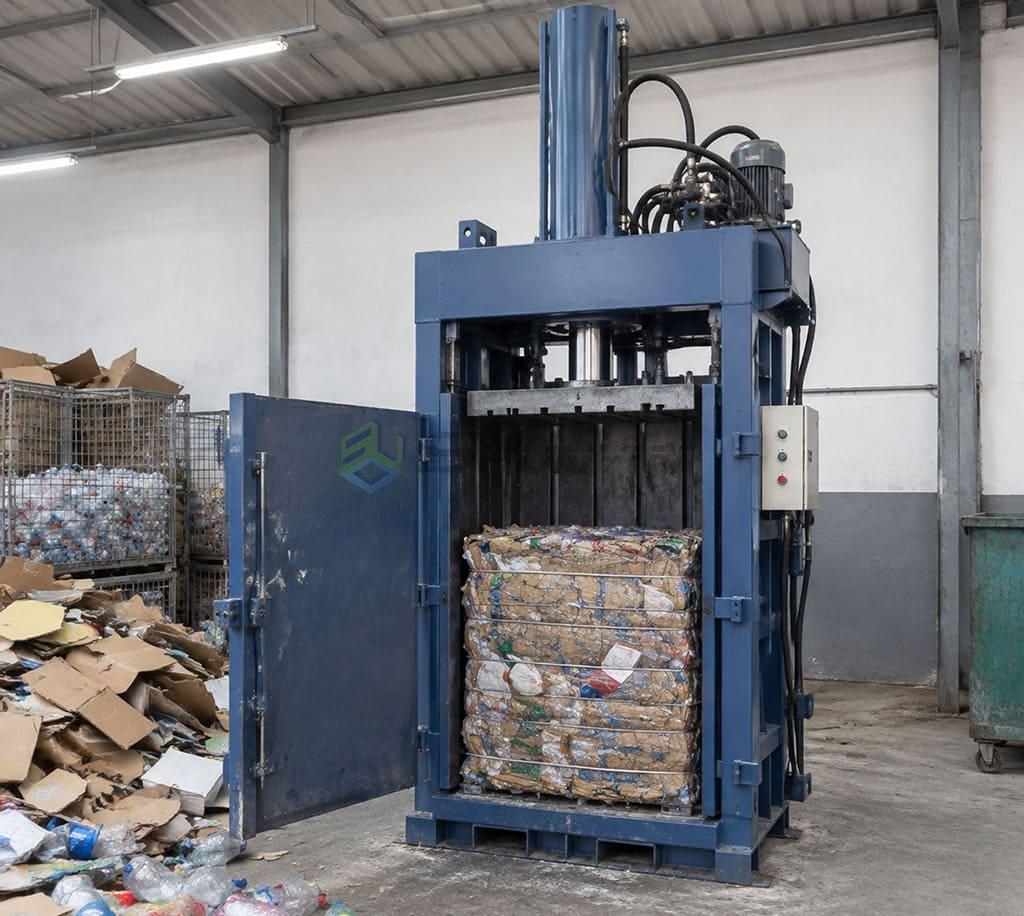
The baling process isn’t one-size-fits-all. Material behavior, throughput requirements, and automation preferences greatly affect machine configurations. Let’s break down the operation step-by-step and explore how buyers can choose the best baler for their needs.
What are the key steps in a baling machine’s cycle?
Baling machines operate through a multi-step cycle designed to process waste efficiently.
The cycle begins with feeding loose materials into the chamber, followed by hydraulic compression to form dense bales, pressure holding to ensure stability, tying to secure bales, and ejecting them for transport. Each step is repeated for continuous operation.
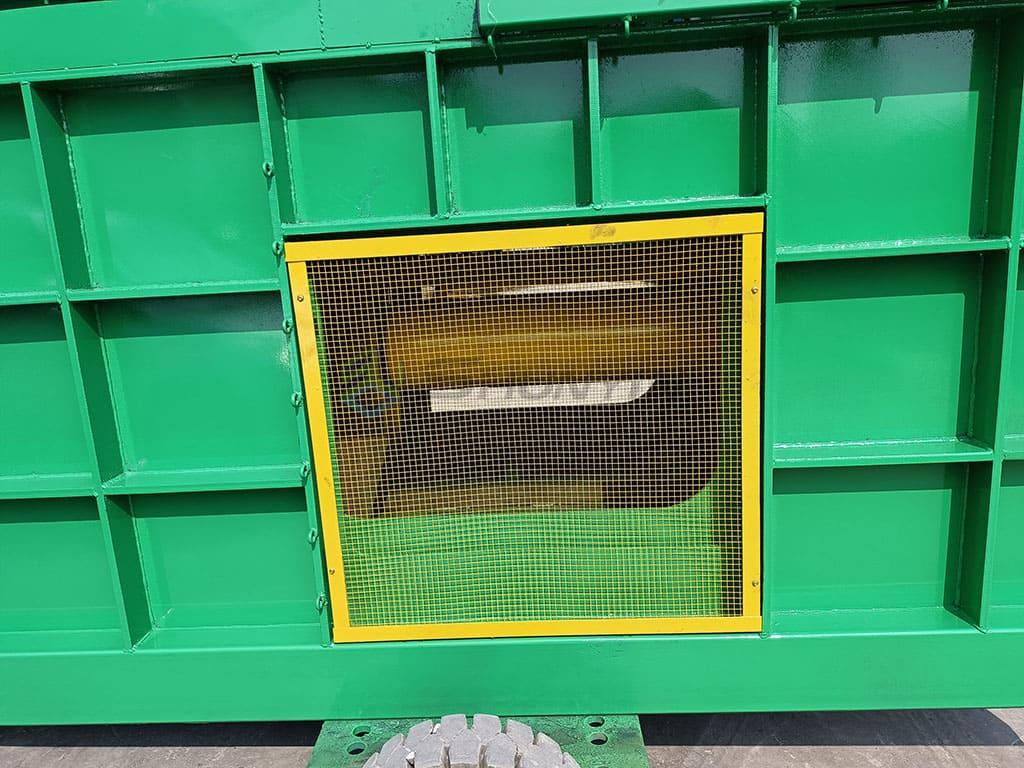
Step-by-step breakdown:
- Material Feeding: Loose waste or recyclables enter the compression chamber via manual, mechanical, or automatic feeding systems, depending on the machine design and level of automation.
- Hydraulic Compression: A hydraulic-powered ram exerts pressure to compact the material into a dense bale.
- Pressure Holding: The system temporarily holds pressure to stabilize the bale and reduce material rebound.
- Bale Tying: The machine binds the compressed material using twine, wire, or straps, securing the bale for handling and transportation.
- Bale Ejection: The completed bale is ejected from the chamber via an ejection mechanism (often hydraulic).
Vertical balers typically require more manual effort, while horizontal balers and fully automatic machines streamline these steps for higher throughput and reduced labor demand.
Why does material type influence baler effectiveness?
Not all materials respond the same way to compression due to variations in density, moisture, rebound behavior, and feed consistency.
Material factors influence bale weight, density, binding security, and compression cycles1. Materials with higher rebound or irregular feed require more robust chamber design and hydraulic force2.
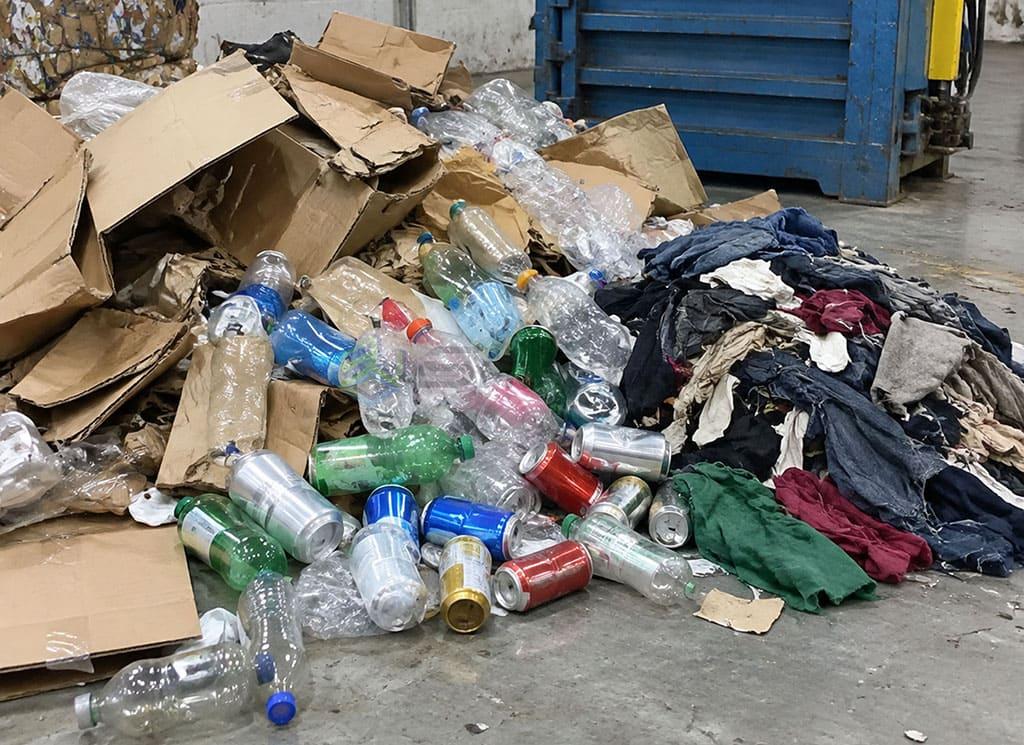
Key considerations for different materials:
- Loose Density: Lightweight materials like plastic film demand higher compression force to achieve bale density compared to naturally dense materials like scrap metal.
- Rebound Behavior: Elastic materials, such as textiles or foam, may expand after initial compression, necessitating higher pressure holding or pre-tensioning mechanisms during tying.
- Moisture Content: Wet materials, like OCC or organic waste, can reduce overall compression efficiency3 and affect bale integrity during storage and transport.
- Feed Consistency: Uniform feeding improves compression outcomes and reduces wear on the machine4; inconsistent feeds can cause chamber blockages or uneven bale formation.
Buyers need to match the baling machine's chamber size, hydraulic rating, and tying system to the specific material to ensure operational efficiency and desired bale quality.
How do throughput requirements affect baler selection?
Throughput—the amount of material processed in a given time—determines the size, cycle rate, and automation level required for the baler.
For high-volume operations, buyers need larger chambers, faster cycle rates, and automated feeding and tying to maintain productivity without excessive labor costs.
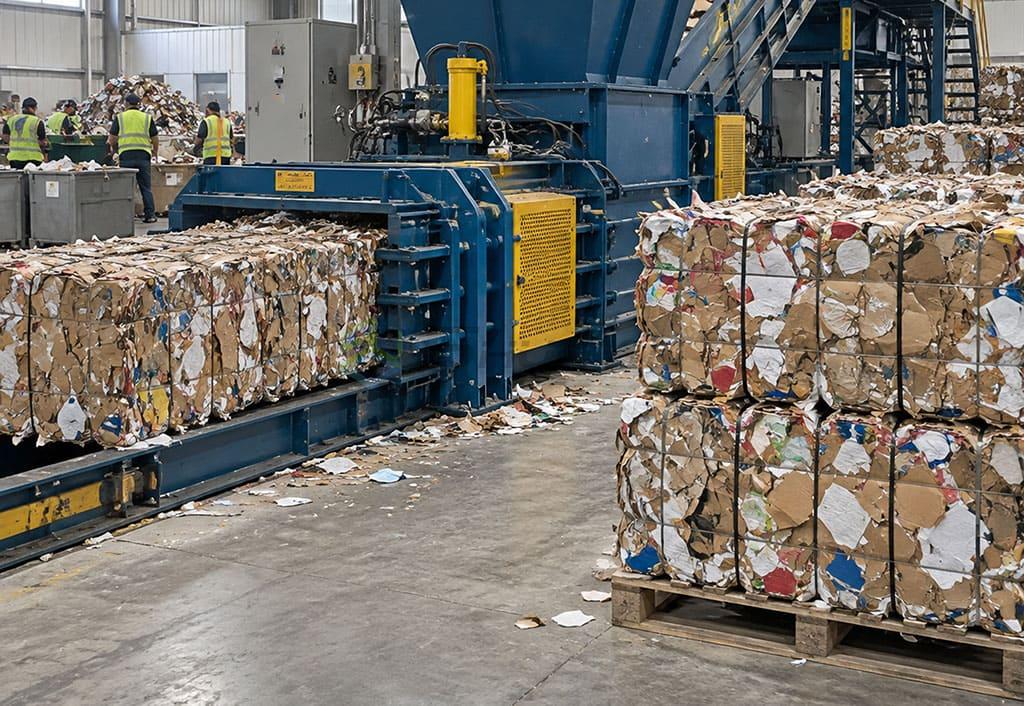
Matching machines to operational needs:
- Cycle Rate: Faster cycle times are critical for processing hourly or daily waste volumes in large-scale operations.
- Chamber Size: Larger chambers accommodate higher feed volumes, reducing downtime between cycles.
- Automation Level: Fully automatic balers with conveyor-fed chambers and automated tying systems are ideal for high-throughput facilities. Semi-automatic models may suffice for smaller operations or facilities with lower labor costs.
- Auxiliary Equipment: Conveyor belts, hoppers, or shredders may be necessary for maximizing feeding consistency and reducing bottlenecks.
Evaluating throughput ensures a baler matches your operational demands, preventing underutilization or bottlenecks in waste processing.
Why should buyers verify technical specifications carefully?
Hydraulic baler specifications can sometimes be misleading, especially when buyers focus only on model suffixes. Published ratings like "100T" (100 tons) don’t guarantee the machine consistently achieves that force.
Confirm technical details like hydraulic cylinder size, chamber dimensions, pressure distribution, and documentation from independent testing providers before purchasing.
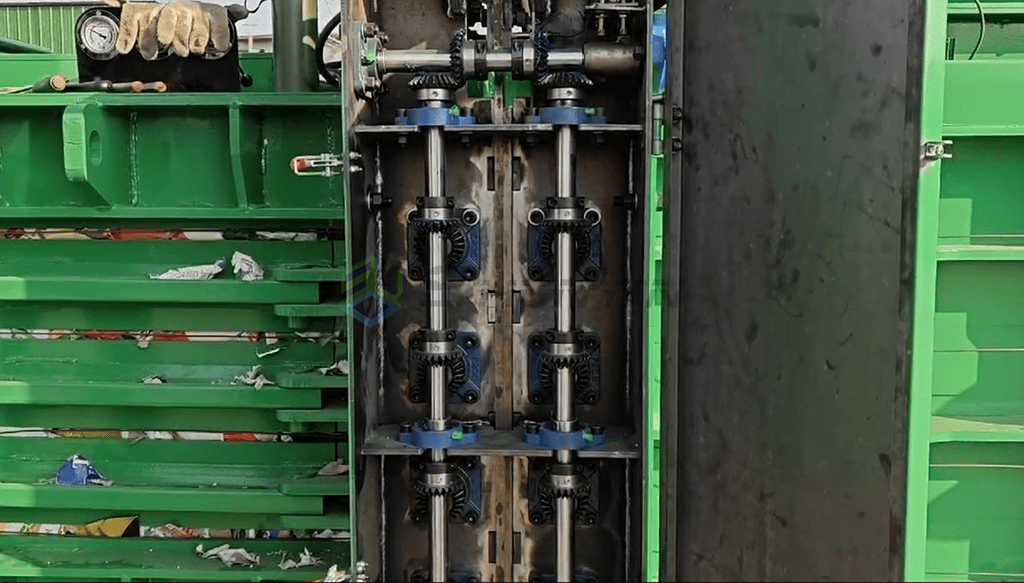
Key technical parameters to check:
- Rated Compression Force: Verify the actual hydraulic cylinder size and pressure configuration, not just the nominal "Tonnage" claim.
- Chamber Dimensions: Ensure chamber volume corresponds to your material type and feed size.
- Documentation: Check for performance tests conducted by third-party bodies or certifications matching industry standards5.
- Cycle Speed: Confirm whether reported cycle times match real operational data under load conditions.
For example, we once received an inquiry from Saudi Arabia where a competitor’s baler advertised 100 tons of pressure but delivered only 60 tons according to the provided technical documentation. This highlights why it's critical to request detailed data before committing to a purchase.
Frequently Asked Questions
What materials can a baling machine process?
Typical materials include cardboard/OCC, waste paper, PET bottles, plastic film, textiles, scrap metal, foam, and mixed recyclables. Material compatibility depends on chamber size, compression force, and tying system.
What’s the difference between vertical and horizontal balers?
Vertical balers are compact, require more manual operation, and suit low-to-medium throughput. Horizontal balers optimize cycle speed, automation, and high-volume processing but often require greater investment and space.
Does higher compression force mean denser bales?
Not always. Bale density depends on material type, moisture, loose density, and rebound—higher pressure helps but isn’t a guaranteed solution for all materials.
How do I choose between semi-automatic and fully automatic balers?
Evaluate labor availability, throughput requirements, and budget6. Fully automatic balers reduce manual work and speed up processing for large operations, while semi-automatic models balance cost and automation for smaller facilities.
Should I request a machine demo before purchasing?
Yes. A demo allows you to observe material compatibility, cycle speeds, and machine performance under real conditions7, ensuring it meets your needs.
Conclusion
Understanding how a baling machine works—its feeding, compression, tying, and ejection cycles—is essential for choosing the right equipment for your materials and throughput. Each machine’s performance depends on factors like material behavior and verified technical parameters rather than surface-level claims like model suffixes. To ensure optimal ROI, buyers should carefully match baler configurations to their specific operations.
Need help evaluating balers for your waste processing needs? Contact us for expert guidance and tailored solutions!
"Compensatory Green Beliefs and the Rebound Effect", https://blogs.mtu.edu/sustainability/2020/03/05/the-ramifications-of-your-rationalizations-compensatory-green-beliefs-and-the-rebound-effect/. Studies show that material density, elasticity, and moisture content directly influence the efficiency and quality of bales produced by hydraulic balers. Evidence role: general_support; source type: research. Supports: Material properties like density, rebound behavior, and moisture content significantly affect the baling process.. Scope note: Specific findings may vary depending on the type of material studied. ↩
"Construction and Layout", https://thedairylandinitiative.vetmed.wisc.edu/feed-center-design/construction-and-layout/. Engineering studies suggest that materials with high rebound behavior require enhanced chamber rigidity and increased hydraulic pressure to maintain bale integrity. Evidence role: mechanism; source type: research. Supports: Elastic materials or irregular feeds demand stronger chamber designs and higher hydraulic force.. Scope note: Findings may vary based on material type and machine configuration. ↩
"Moisture content of forage at baling affects ... - NDSU Agriculture", https://www.ag.ndsu.edu/news/newsreleases/2022/september/moisture-content-of-forage-at-baling-affects-forage-quality-at-feeding. Research indicates that high moisture content reduces compression efficiency and can compromise bale integrity during storage. Evidence role: mechanism; source type: research. Supports: Moisture content in materials like OCC or organic waste negatively impacts compression efficiency.. Scope note: Specific impacts may vary based on material type and moisture levels. ↩
"Performance of Large Balers for Collecting Rice Straw", https://agronomy-rice.ucdavis.edu/sites/g/files/dgvnsk11966/files/media/documents/PERFORMANCE%20OF%20LARGE%20BALERS%20FOR%20COLLECTING%20RICE%20STRAW.pdf. Studies on recycling equipment show that uniform feeding reduces mechanical stress and improves compression outcomes in baling machines. Evidence role: mechanism; source type: research. Supports: Consistent feeding enhances compression efficiency and minimizes machine wear.. Scope note: Specific benefits may depend on the type of baler and material processed. ↩
"Operating Hazards of Baler Discharge-Door Locks", http://www.osha.gov/publications/shib081313. Certifications from recognized industry bodies ensure that baling machines meet performance and safety standards. Evidence role: expert_consensus; source type: institution. Supports: Third-party performance tests and certifications are essential for verifying baler specifications.. Scope note: Certification requirements may vary by region and industry. ↩
"Fully Understanding Costs", https://dep.nj.gov/wp-content/uploads/dshw/guidance-docs-and-tech-manuals/3costs.pdf. Industry guidelines recommend evaluating labor costs, throughput demands, and budget constraints when selecting baling equipment. Evidence role: expert_consensus; source type: institution. Supports: Labor availability, throughput needs, and budget are key factors in choosing between semi-automatic and fully automatic balers.. Scope note: Recommendations may vary based on facility size and operational goals. ↩
"Product and Service Demonstration by Suppliers - Aggie Hub", https://hub.ncat.edu/administration/business-and-finance/procurement-services/policies/vendor-demo.php. Case studies show that machine demos provide critical insights into operational performance and material handling capabilities. Evidence role: case_reference; source type: institution. Supports: Requesting a machine demo helps buyers assess material compatibility, cycle speeds, and performance.. Scope note: Demo outcomes may depend on the specific materials and operational conditions tested. ↩