

Used vertical cardboard balers for sale appear on equipment marketplaces, dealer websites, auction platforms, and local reseller listings. However, a low advertised price can hide repair, freight, electrical, and compliance costs. I recommend defining the required machine specifications first, then comparing verified used options with the complete installed cost of a suitable new baler.
You can find used vertical cardboard balers for sale through specialized recycling-equipment dealers, industrial marketplaces, auctions, local machinery resellers, and direct business liquidations. Before purchasing, verify the seller, ownership, service history, machine identity, safety systems, and operating condition. I also recommend arranging an independent local inspection whenever practical.
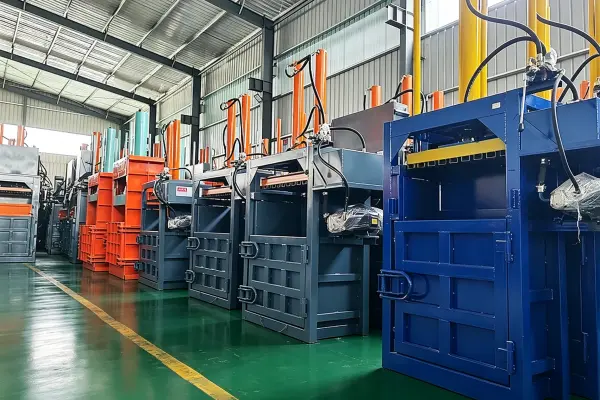
In my customer-selection conversations, I often find that sourcing is the easy part. The harder question is whether a particular baler can process the buyer’s cardboard safely, reliably, and economically after it reaches the facility. A structured evaluation prevents an attractive listing from becoming an expensive installation problem.
Where Can I Find Used Vertical Cardboard Balers for Sale?
A broad online search can produce hundreds of listings, but more results do not necessarily create a better purchasing decision. Inventory changes quickly, descriptions may be incomplete, and sellers may reuse old photographs. I treat every listing as a lead that requires verification rather than evidence of current availability or condition.
The main sources for used vertical cardboard balers include specialized equipment dealers, industrial machinery marketplaces, auction companies, local recyclers, machinery resellers, and direct plant liquidations. Each channel offers a different balance of selection, inspection access, seller accountability, pricing, and after-sales support. Buyers should confirm all listing details directly before making a deposit.
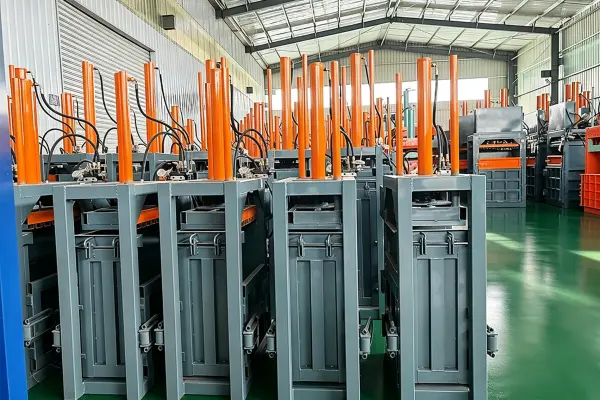
Specialized Recycling-Equipment Dealers
I usually suggest beginning with dealers that focus on balers, compactors, shredders, and waste-processing equipment. A specialized dealer may understand bale size, compression force, feed-opening dimensions, and electrical requirements better than a general machinery trader.
Some dealers inspect, clean, repair, or test equipment before resale. Others simply broker machines located at a third-party site. I ask the seller to explain its exact role:
- Does the dealer physically possess the baler?
- Has the dealer operated or inspected it?
- Has the dealer completed any repairs?
- Does the sale include a warranty?
- Can the dealer provide installation or commissioning?
- Who is responsible if the machine arrives incomplete?
I never assume that “dealer inspected” means that a qualified safety or engineering assessment has occurred. I request written details about the inspection scope.
Industrial Equipment Marketplaces
Online marketplaces can help buyers compare brands, machine sizes, locations, and price ranges. However, a marketplace normally provides advertising infrastructure rather than a condition guarantee.
I recommend verifying:
- The seller’s legal business name and physical address.
- The baler’s current location.
- The serial number and nameplate.
- The listing date and actual availability.
- The identity of the machine’s legal owner.
- The payment recipient’s relationship to the seller.
- The platform’s dispute and buyer-protection terms.
A reverse-image search1 can also reveal whether photographs appear in unrelated listings. That check does not prove fraud, but it can identify inconsistencies that require an explanation.
Auctions and Business Liquidations
Industrial auctions sometimes provide lower purchase prices, especially when a packaging plant, warehouse, or recycling facility closes. Yet auction sales commonly use “as is, where is” terms. The buyer may receive no warranty, no startup support, and little opportunity to test the machine.
Auction buyers should also examine:
- Buyer’s premiums
- Taxes and documentation fees
- Payment deadlines
- Machine-removal deadlines
- Contractor and insurance requirements
- Disconnection responsibility
- Loading and rigging charges
- Missing manuals, keys, and accessories
Local Resellers and Direct Owners
A nearby reseller or operating company can offer one major advantage: inspection access. A qualified local technician may be able to observe the baler under power and inspect its basic systems before the buyer commits.
Direct-owner sales may also provide better maintenance history. However, I still verify ownership, liens, service records, and sale authority. A familiar local seller does not remove the need for due diligence.
I view sourcing channels as starting points. I base the decision on verified machine suitability, condition, sale terms, and total cost—not on the reputation of a listing platform alone.
What Specifications Should I Define Before Searching for a Used Vertical Cardboard Baler?
A buyer can waste days comparing listings if the operating requirement remains unclear. The phrase “vertical cardboard baler” covers machines with very different feed openings, bale weights, cylinder forces, chamber sizes, electrical systems, and production rates. I define the application before I define the preferred brand or price.
Before searching for used vertical cardboard balers for sale, buyers should document cardboard type, daily volume, loading frequency, required bale dimensions and weight, feed-opening size, available floor space, ceiling height, electrical supply, labor availability, and downstream buyer requirements. These factors determine whether a listing represents a workable machine rather than merely an affordable one.
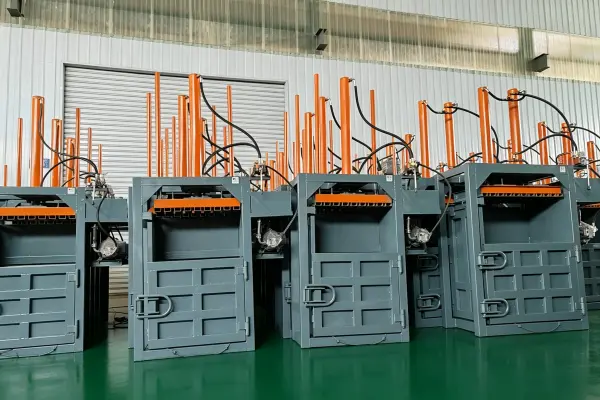
Measure Material Volume, Not Just Material Weight
Cardboard is bulky before compression. For that reason, daily tonnage alone does not fully describe the application. I ask customers how the cardboard reaches the baler, how often operators load it, and whether large cartons must be flattened first.
Useful operating data includes:
- Loose cardboard volume per day
- Approximate weight per day or shift
- Peak-hour generation rate
- Number of operating shifts
- Maximum carton dimensions
- Percentage of OCC, mixed paper, or other material
- Current labor used for handling waste
- Available storage before and after baling
A warehouse generating cardboard steadily across two shifts may require a different chamber and workflow from a retail distribution site generating the same daily weight during a short peak period.
Define the Required Bale
The downstream recycling company may have preferences for bale dimensions, weight, wire arrangement, and material purity. I recommend confirming these requirements before choosing a machine.
| Selection factor | Question I recommend asking | Why it matters |
|---|---|---|
| Bale dimensions | Will the bale fit storage racks, doors, and transport equipment? | Oversized bales can disrupt handling |
| Bale weight | Can the forklift and loading system handle the finished bale? | Heavy bales require suitable equipment |
| Bale density | Does the recycler or transporter require a density range? | Density affects storage and freight efficiency |
| Tying method | Does the machine use wire, strap, or twine? | Consumables and procedures differ |
| Ejection method | How will the operator remove each bale? | Ejection affects safety and cycle time |
Published bale weight is usually an estimate. Actual results vary with material moisture, cardboard grade, loading consistency, spring-back, and operator practice.
Check the Site Conditions
I ask buyers to measure more than the baler’s footprint. The site also needs space for doors, bale ejection, maintenance access, material staging, and safe operator movement.
The site review should cover:
- Floor load capacity and condition
- Available ceiling height
- Access-door and corridor dimensions
- Forklift or pallet-truck movement
- Electrical voltage, phase, frequency, and available capacity
- Indoor or outdoor placement
- Drainage and moisture exposure
- Emergency-stop access
- Fire and workplace-safety requirements
I recommend having qualified electrical, structural, and safety professionals evaluate application-specific requirements. A seller’s general specification sheet cannot confirm that a machine complies with every rule at the destination site.
How Should I Inspect Used Vertical Cardboard Balers for Sale Remotely?
Remote purchasing creates a serious information gap. Clean paint and a short video can make an old baler appear attractive, but neither can establish remaining service life or confirm compliance. I use remote evidence to screen machines, not to replace a competent physical inspection.
For remote evaluation, buyers should request a clear nameplate photograph, serial number, dated operating video2, maintenance records, hydraulic-leak photographs, electrical-cabinet images, manuals, and confirmation that doors, guards, emergency stops, and interlocks function. A qualified independent inspector should examine the machine locally whenever the value and circumstances justify it.
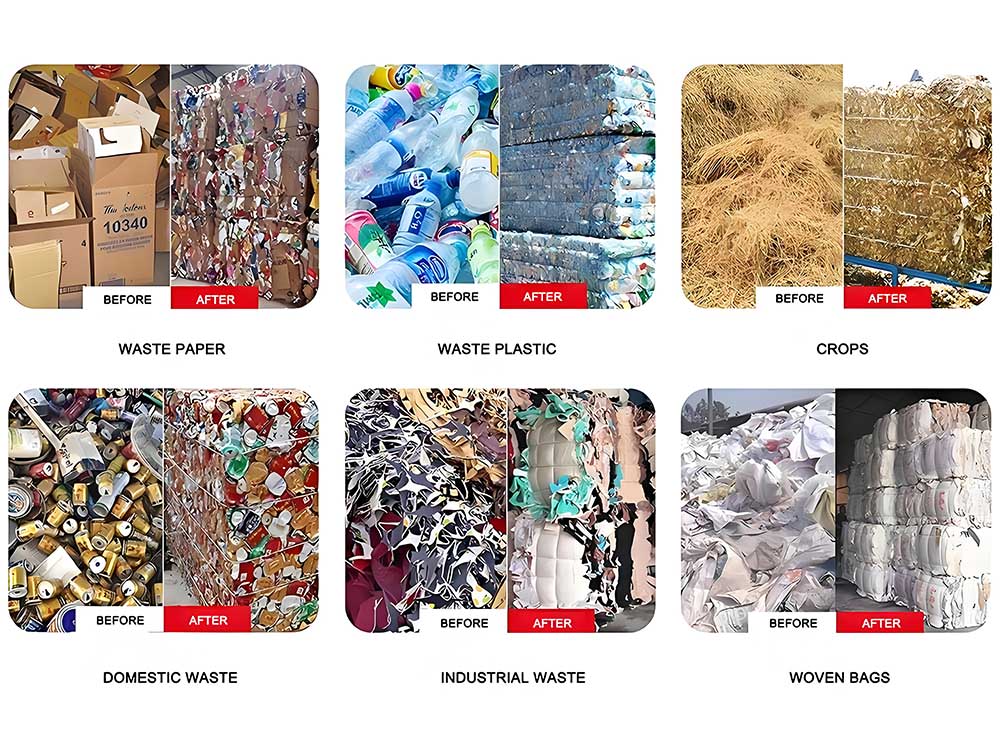
Request Machine Identity Documents
I begin by matching the machine to its paperwork. The seller should provide clear photographs of the manufacturer’s nameplate and any other identification plates.
I look for:
- Manufacturer and model
- Serial number
- Manufacturing year, if shown
- Rated voltage, phase, and frequency
- Motor power
- Rated pressure or force
- Machine weight
- Applicable conformity markings
I also ask for the original manual, electrical diagrams, hydraulic diagrams, parts list, and available declarations or certificates. Buyers should treat certifications as documents to verify. A logo in an advertisement does not prove that a particular machine carries valid documentation or satisfies local requirements.
Ask for a Dated Operating Video
I prefer one continuous video rather than several edited clips. I ask the seller to show the date and machine serial number, then record a complete operating sequence.
The video should show:
- The machine before startup.
- The control panel and warning labels.
- Door and gate operation.
- A full ram cycle.
- Material loading and compression.
- Emergency-stop operation.
- Safety interlock behavior.
- Bale tying and ejection, if possible.
- The floor and hydraulic areas after operation.
- Any unusual sound, vibration, or hesitation.
A video can expose obvious problems, but I do not use it to diagnose internal wear or certify safety. A hydraulic cylinder, pump, hose, control component, or structural member can have defects that a recording does not reveal.
Review Maintenance and Repair History
A detailed service history can reduce uncertainty. I ask for dated invoices, inspection sheets, lubrication records, hose replacements, oil changes, electrical repairs, and cylinder work.
A missing service history does not automatically make the machine unsuitable. However, it increases uncertainty and should affect the risk allowance in the budget.
I also ask about:
- Current operating hours or cycle count, if recorded
- Previous materials processed
- Indoor or outdoor use
- Length of storage
- Reason for sale
- Known faults
- Modifications to controls or guards
- Availability of replacement parts
Arrange an Independent Inspection
I advise buyers to hire a qualified local machinery inspector, baler technician, or relevant engineer when practical. The inspector’s scope should be agreed in writing. Depending on local competence and access, that scope may include structural condition, hydraulics, electrical controls, guarding, interlocks, documentation, and an operating test.
My experience as a manufacturer helps me discuss capacity and machine matching. However, I do not present a remote supplier review as an independent condition or safety certification.
How Do I Compare the Real Cost of a Used and New Vertical Cardboard Baler?
An advertised used price can dominate the conversation too early. That price excludes many costs required to make the machine operational. When buyers overlook freight, repairs, and adaptation, a cheap machine can exceed the approved budget before production begins.
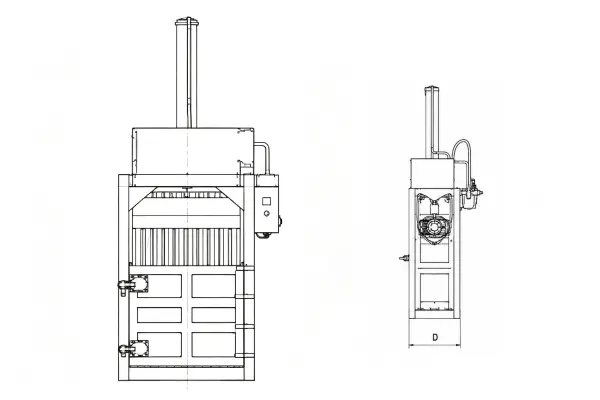
Buyers should compare the total delivered-and-operational cost of used vertical cardboard balers for sale with equivalent new equipment. The comparison should include purchase price, freight, duties, unloading, installation, electrical adaptation3, repairs, compliance work, missing parts, expected downtime, consumables, warranty coverage, and future parts availability.
Build a Complete Cost Model
I use a worksheet rather than comparing quotation headlines. A simple framework looks like this:
| Cost category | Used baler | New baler |
|---|---|---|
| Machine purchase price | Enter verified price | Enter quoted price |
| Inland transport at origin | Estimate | Confirm quotation scope |
| Export packing or preparation | Estimate | Confirm quotation scope |
| International freight | Obtain current quote | Obtain current quote |
| Duties and taxes | Confirm locally | Confirm locally |
| Unloading and rigging | Obtain contractor quote | Obtain contractor quote |
| Electrical adaptation | Allow for uncertainty | Confirm specification |
| Repairs and missing parts | Include risk allowance | Usually lower, but verify |
| Installation and commissioning | Confirm availability | Confirm supplier scope |
| Safety or compliance work | Local review required | Local review still required |
| Initial downtime | Estimate realistically | Estimate realistically |
| Warranty and support | Often limited | Compare written terms |
| Spare parts | Verify availability | Compare lead times |
I also distinguish known costs from risk allowances. For example, freight can often be quoted before purchase. Internal hydraulic wear may remain uncertain until inspection or operation.
Account for Electrical Differences
Used industrial equipment often originates in another region. A machine designed for a different voltage, phase, or frequency may need more than a plug change. Motors, transformers, contactors, control power supplies, overload settings, and other components may require review or replacement.
I ask a qualified electrician or electrical engineer to examine the nameplate and schematics. I do not assume that a voltage converter creates a compliant or reliable installation.
Price the Cost of Downtime
The cheapest baler may be expensive if it stops the waste-handling process. Downtime can increase loose-cardboard storage, labor, skip collections, fire load, and production disruption.
I ask buyers to estimate:
- The cost of one day without the baler
- The local availability of hydraulic and electrical service
- Typical spare-parts lead times
- Whether another machine can provide backup
- Whether manual waste handling remains practical during repairs
Use New Equipment as a Comparison, Not a Predetermined Answer
I recommend requesting a like-for-like new-machine quotation even when the purchasing preference favors used equipment. The quotation establishes a benchmark for specifications, warranty, delivery, documentation, and support.
In one bounded example, a customer in the UAE initially considered a used baler. After comparing the required specification and broader procurement factors, the customer purchased one of our new machines and later became a distributor. I do not present that outcome as proof that new equipment is always cheaper, better, or commercially successful. It simply illustrates why buyers should compare complete options before deciding.
A well-maintained local used baler with available parts can be the better choice. A new customized unit may be more appropriate when the application requires a specific feed opening, electrical system, bale size, or support package.
How Can I Verify a Used Baler Seller and the Sale Terms?
A suitable machine can still become a poor purchase if the seller lacks authority, documentation, or clear obligations. International transactions increase this risk because the buyer may rely on photographs, translated messages, and third-party freight arrangements. I verify the counterparty as carefully as I verify the equipment.
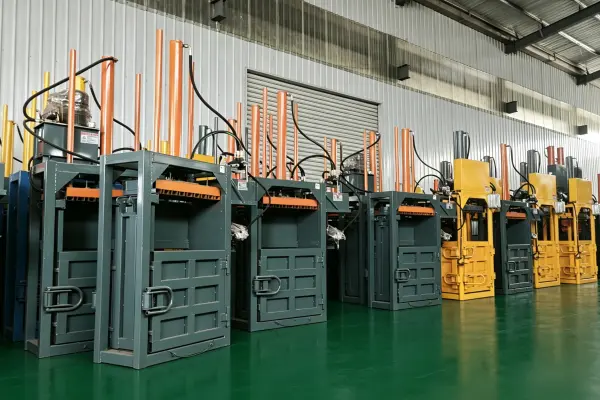
Buyers should confirm the seller’s legal identity, physical address, ownership or sale authority, payment account, commercial references, and written sale terms4. The contract should identify the exact baler by model and serial number and should state machine condition, included parts, loading responsibility, warranty status, inspection rights, and remedies for material discrepancies.
Confirm Who Owns the Machine
The advertiser, broker, auctioneer, and legal owner may be different parties. I ask the seller to explain the relationship and provide evidence of sale authority where appropriate.
Useful verification steps include:
- Checking the company registration
- Confirming the business address independently
- Calling a published company telephone number
- Matching the bank beneficiary to the contracting party
- Requesting a commercial invoice before payment
- Confirming whether liens or finance interests exist
- Obtaining references for higher-value purchases
- Reviewing sanctions, import, and trade restrictions when relevant
Buyers should obtain legal or trade-finance advice for transaction-specific risks. I avoid sending payment merely because a seller creates urgency around another interested buyer.
Define What the Sale Includes
A vertical baler may depend on removable or easily lost items. The agreement should list all included components and documents.
The list may include:
- Main machine
- Bale-ejection chain or mechanism
- Tying tools
- Wire, strap, or starter consumables
- Keys and access tools
- Guards and covers
- Electrical cabinet components
- Oil tank and hydraulic accessories
- Operator manual
- Electrical and hydraulic diagrams
- Spare parts
- Anchoring hardware
I request dated photographs of included parts before collection. I also ask the loading contractor to photograph the machine during loading and after securement.
State the Condition and Acceptance Process
Terms such as “working,” “tested,” and “good condition” are too broad unless the contract defines them. I prefer measurable statements, such as whether the machine completed a specified cycle test before shipment and whether a named safety device was present during inspection.
The contract should also clarify:
- Whether the buyer may inspect before payment
- Whether the buyer can reject material misdescription
- When risk transfers
- Who disconnects and loads the equipment
- Whether the machine must remain assembled for inspection
- Which Incoterm applies to an international transaction5
- Whether any warranty exists
- Which law and dispute process govern the sale
A clear contract cannot eliminate mechanical risk, but it can prevent basic misunderstandings.
Frequently Asked Questions
How much does a used vertical cardboard baler cost?
Used-baler prices vary widely by brand, age, compression force, chamber size, condition, location, and included support. I recommend comparing delivered-and-operational cost rather than relying on advertised price. Freight, rigging, repairs, electrical adaptation, duties, and missing parts can materially change the final amount.
Can I inspect a used cardboard baler through video only?
A dated operating video is useful for initial screening, but it cannot confirm internal wear, structural integrity, electrical safety, or remaining service life. I recommend an in-person inspection by a qualified local technician or engineer whenever practical, especially for remotely sourced or higher-value machines.
What size vertical baler do I need for cardboard?
The correct size depends on loose-cardboard volume, peak generation rate, carton dimensions, loading frequency, desired bale weight, available space, labor, and electrical supply. I normally match the feed opening and production workflow before considering nominal compression force alone.
Is a used vertical cardboard baler always cheaper than a new one?
No. A suitable used machine can provide good value, particularly when it is local, documented, and supportable. However, freight, repairs, adaptation, downtime, and limited warranty can remove the initial saving. I compare complete installed costs and operating risks before recommending either option.
What documents should I request from a used baler seller?
I request the nameplate and serial number, service records, manuals, electrical and hydraulic diagrams, proof of ownership or sale authority6, operating videos, inspection reports, and written sale terms. I also verify any certificates or declarations instead of relying on logos or unsupported advertising claims.
Conclusion
Used vertical cardboard balers for sale are available through specialized dealers, equipment marketplaces, auctions, local resellers, and direct plant sales. I recommend defining the application first, verifying the machine and seller, arranging qualified inspection, and comparing the complete delivered-and-operational cost. A used baler can be economical when its condition, specifications, and parts support are clear, while a new machine may suit applications requiring customization or stronger supplier support. Contact us to compare your material volume, bale requirements, site conditions, and budget with an appropriate vertical cardboard baler specification.
"PROFESSIONAL POINTER: Reverse Image Searches", https://bpp.msu.edu/magazine/professionl-pointer-march2018/. Guidelines from consumer protection agencies recommend reverse-image searches as a tool for verifying the authenticity of online advertisements, particularly in high-value transactions. Evidence role: mechanism; source type: institution. Supports: Reverse-image searches can help identify reused photographs in online equipment listings, which may indicate inconsistencies or potential fraud.. Scope note: The guidelines focus on general online fraud detection and may not specifically address industrial equipment sales. ↩
""Innovative Video Diagnostic Equipment for Material Science"", https://ntrs.nasa.gov/api/citations/20120015592/downloads/20120015592.pdf. A study on remote machinery inspections highlights that videos can reveal surface-level issues but are insufficient for diagnosing internal or safety-critical defects. Evidence role: mechanism; source type: research. Supports: Operating videos are useful for initial screening but cannot diagnose internal wear or confirm structural integrity and electrical safety.. Scope note: The study focuses on general machinery and may not specifically address balers. ↩
"A Guide to United States Electrical and Electronic Equipment ...", https://nvlpubs.nist.gov/nistpubs/ir/2017/NIST.IR.8118r1.pdf. Electrical engineering textbooks discuss the challenges of adapting industrial equipment to different voltage, phase, and frequency standards. Evidence role: mechanism; source type: education. Supports: Electrical adaptation for imported machinery often requires more than a plug change, including modifications to motors and control systems.. Scope note: The discussion is general and may not address specific baler models or configurations. ↩
"252.211-7008 Use of Government-Assigned Serial Numbers", https://www.acquisition.gov/dfars/252.211-7008-use-government-assigned-serial-numbers. Legal guidelines for equipment transactions emphasize the importance of detailed contracts to prevent disputes and clarify obligations. Evidence role: expert_consensus; source type: institution. Supports: Contracts for used machinery sales should include model and serial numbers, condition, included parts, and remedies for discrepancies.. Scope note: The guidelines provide general recommendations and may not address specific baler transactions. ↩
"Know Your Incoterms", https://www.trade.gov/know-your-incoterms. The International Chamber of Commerce explains that Incoterms are essential for clarifying shipping, risk, and cost responsibilities in global trade. Evidence role: definition; source type: institution. Supports: Incoterms define the responsibilities of buyers and sellers in international transactions, including equipment sales.. Scope note: The explanation is general and may not address specific machinery transactions. ↩
"Buying Ag Equipment and Machinery – Make Sure You Don't ...", https://www.calt.iastate.edu/post/buying-ag-equipment-and-machinery-make-sure-you-dont-lose-it-sellers-creditor. Government trade guidelines recommend verifying ownership and sale authority to avoid legal and financial risks in machinery purchases. Evidence role: general_support; source type: government. Supports: Proof of ownership or sale authority is necessary to prevent disputes and ensure legal compliance in equipment transactions.. Scope note: The guidelines provide general recommendations and may not address specific baler transactions. ↩